A Palace Turned a Doggery

By Sheriff Dada

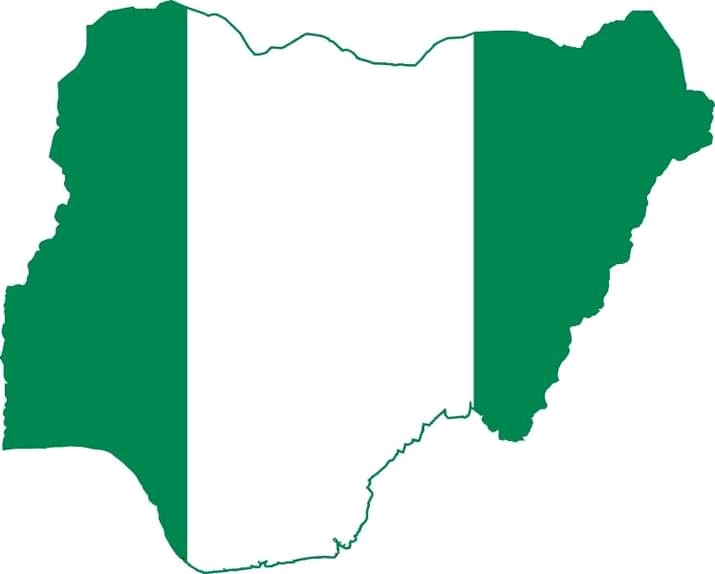
The green, white, and green palace

With strength and wisdom

They kicked the enemies out of their kingdom 

Yes, I mean the sons of Solomon and David

Yes, even the daughters of Esther and Debora were there

The atmosphere was of joy

For they were left to manage their kingdom

A kingdom where silver and gold reside 

To build a palace for their kingdom

A palace where wisdom and strength will reside

A palace where beauty and honour will reside

Yes, wisdom and strength did reside

And beauty did not leave honour alone

Which child will believe now

When the father says once upon a time-

Wisdom and strength once lived in this palace

Which child will believe now

When her mother says once upon a time-

Beauty and honour once lived in this palace

A palace where weaklings wield wickedness 

A palace where wisdom walks with foolishness

A palace where shame walks with honour

A palace where beauty walks without valour

A palace where the sons of Cain and Pharoah reside

A palace where the daughters of Jezebel and Delilah reside

A palace turned a doggery
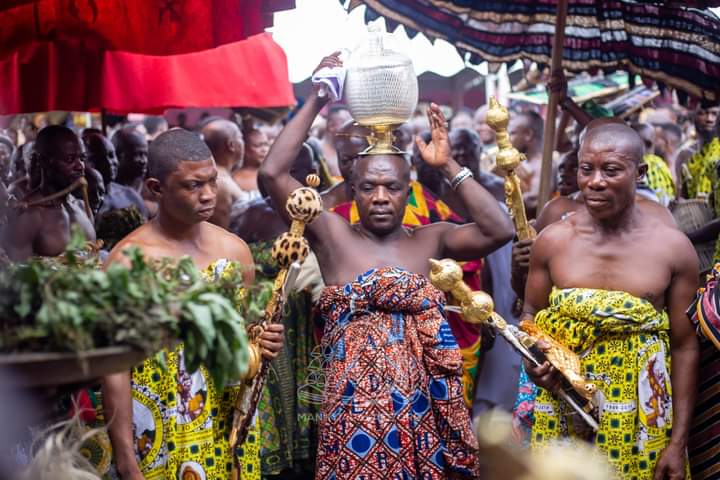
Asante Kingdom Unity Call; Akwasidae Festival

By Sheriff Dada

The Asante Kingdom, also known as the Ashanti Empire, was a powerful and influential kingdom in West Africa from the late 17th century to the early 20th century. Located in present-day Ghana, this kingdom was renowned for its rich culture, skilled craftsmanship, and strong military prowess. Today, the Asante Kingdom remains an integral part of Ghana’s history and culture, attracting tourists each year who seek to learn more about this fascinating civilization.

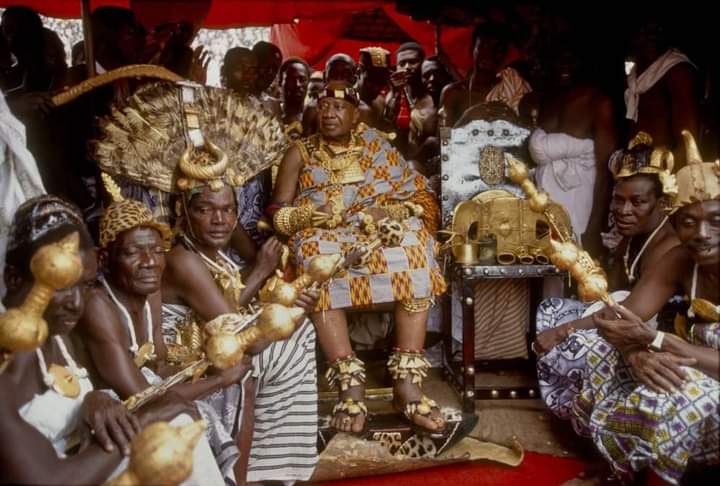
Akwasidae is a highly celebrated festival in the Asante Kingdom, located in Ghana. This annual event is held on Sundays every six weeks and draws large crowds of locals and tourists alike. The festival serves as an important cultural celebration for the Asante people, who have a rich history dating back to the 17th century.

Akwasidae celebrants displaying traditional costumes and props

The Akwasidae festival is dedicated to honoring the Asantehene, who is considered to be the highest authority figure in the Asante Kingdom. During this event, colorful parades make their way through the streets of Kumasi, with participants dressed in traditional clothing and ornate jewelry. Music plays an integral role in the festivities, with drumming and dancing being common sights throughout various parts of town.

Asantehene and other chiefs during Akwasidae Festival

Apart from depicting the mark of the Golden Stool that brings together all Asante traditional heads and their subject to Kumasi, the traditional headquarters of the Asante Kingdom, Akwasidae also marks the various Agricultural seasons in the Asante Kingdom.

Ozalla ‘Power’: Ani Ozalla Lake and Shrine

By Sheriff Dada

Ozalla is a small town located in the Nkanu West local government area of Enugu state, Nigeria. Despite its relatively small size, Ozalla has a rich history and cultural heritage that sets it apart from other towns in the region. 

From its traditional rulers to its bustling markets and festivals, Ozalla is an important hub for commerce and cultural exchange in Enugu state. 

Ani Ozalla Lake and Shrine, nestled in Ozalla town, close to Enugu in Nkanu West Local Government Area of Enugu State, Nigeria, for ages has been one of the most dreaded and revered traditional sites in Eastern Nigeria. Now a popular tourist attraction, Ozalla Lake and Shrine is a notable cultural and historical symbol passed down from generation to generation of Ozalla. 

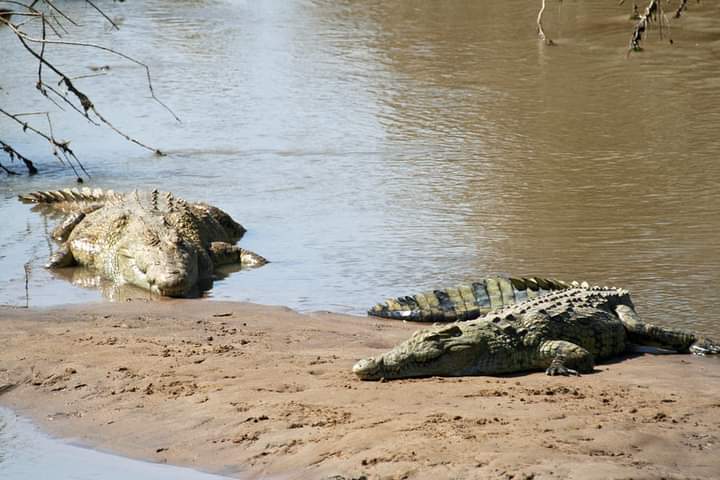
Crocodiles ashore Ani Ozalla Lake

Ani Ozalla Lake, which hosts large crocodiles and a variety of fish, is believed to be a bottomless body of water that holds great spiritual significance for the people of Enugu State. It is said that once every year, all the fish in the lake mysteriously disappear, only to reappear a few weeks later. The locals believe that this is evidence of a spirit residing within the depths of Ani Ozalla, who uses these fish as offerings to appease their gods.

Tourists come from far and wide to experience the mystical aura surrounding the lake and to participate in religious ceremonies at the shrine.

Pride of Igala Kingdom: Inikpi Statue

By Sheriff Dada

The Igala Kingdom in the Kogi State of Nigeria is a land of diverse cultures and traditions, with historical sites to blend. Settled around the confluence of Nigeria’s two major rivers–Niger and Benue, with a history dating back to the 7th century, the kingdom has been a hub of commercial fishing for centuries. 

Aside from fishing, farming also plays an essential role in Igala’s economy, with crops like yams, cassava, maize, and rice being some of the primary sources of livelihood for many families in the region.

As cocoa is to the west, cashew is the major cash crop of the area.

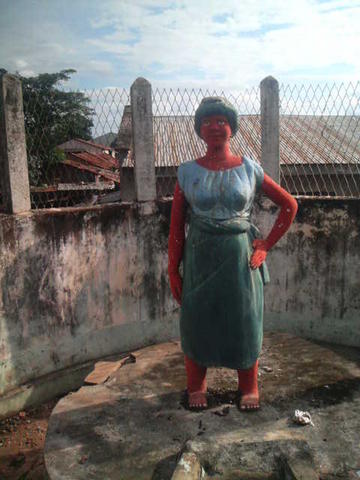
The Inikpi Statue in Idah, the headquarters of the Igala tribe, has become one of the most popular and revered tourist attractions in Kogi State. The beautiful statue, erected to birth a life-long memory in the hearts of the Igalas and to honour  Princess Inikpi, a legendary figure from the Igala tribe, has for decades become a sought-after site to visitors in Igala land. Igala folklore has it that Princess Inikpi, a beloved daughter of Attah Ayegba Oma Idoko, the ruler of the Igala Kingdom in the 16th century, sacrificed her life to save her people during a time of war with neighboring tribes.

The statue is an impressive work of art that stands over 20 feet tall and depicts Princess Inikpi in a beautiful painting. The statue’s striking detail and its location at Ata Square have made it an iconic symbol for both locals and visitors alike. For those interested in history and culture, this monument offers insight into one of Nigeria’s most influential tribes.

In Igala Kingdom, the name Inikpi sounds to the mind a combination of beauty, bravery, and compassion. No wonder almost every family has an Inikpi. As a visitor who has been fed the story of Princess Inikpi, it is possible that you decide to name your daughter, Inipki.

Owerre Ezeukala Wonder; Ogba Ukwu Cave And Waterfall

By Sheriff Dada

Owerre Ezeukala is a town located in Anambra State, Nigeria. It is situated just on the border of Enugu State and Imo State in the southeastern part of Nigeria. Known for its rich cultural heritage, Owerre Ezeukala is a bustling community that has grown significantly over the years.

The town boasts many attractions, including historical landmarks, natural wonders, and vibrant markets where locals sell their wares.

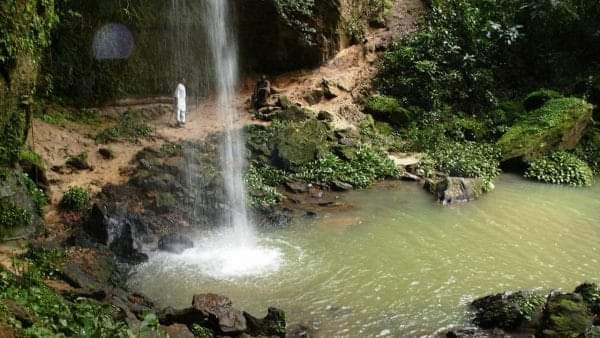
Ogba Ukwu Cave and Waterfall, a famous natural wonder in Nigeria, is nestled in Owerre Ezeukala, Anambra State. Known for its outstanding geographical features and crystal-clear waters, Ogba Ukwu Cave And Waterfall is one of the top tourist destinations in Nigeria. Acclaimed as one of the largest caves in Africa, the Ogba Ukwu cave system is carved out of 3-kilometres-spanned limestone rocks that are over 400 million years old.

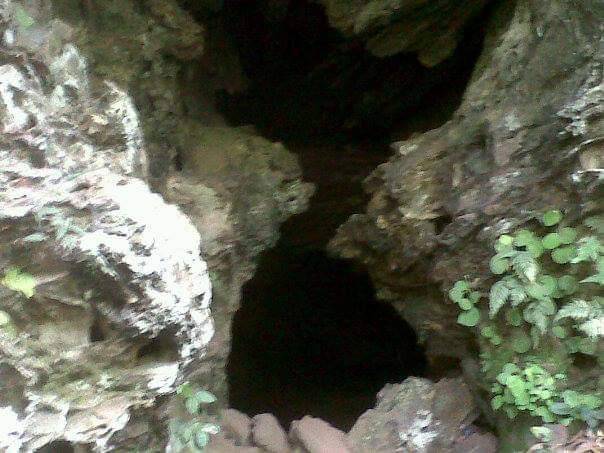
X-shaped entrance of Ogba Ukwu

With large room-like compartments, Ogba Ukwu features a large hollow area at its centre, which is believed in Owerre Ezeukala’s myths to be the living room of the ‘god of Owerre Ezeukala.”

Featuring a waterfall cascading down from a height of over 50 feet into a pool, at Ogba Ukwu, visitors can explore and appreciate the natural wonders exhibited in the network of caves, see stunning rock formations, and take a dip in the all-season refreshing waterfall. The natural pool offers visitors a perfect swimming accommodation or relaxation by the water’s edge. Visitors can also hike through the nearby forest trails to experience nature at its finest.

Cascade of Ogba Ukwu

A visit to Ogba Ukwu Cave and Waterfall is an intriguing and breathtaking experience that will leave an indelible life-long memorable print on you.

Olumo Rock; The Egba Wonder

By Sheriff Dada

Egba Land, also known as Egbaland, is a historically and culturally rich region located in Ogun Central, Ogun State, Nigeria. It is home to the Egba people, who are renowned for their bravery and resilience in the face of adversity.
Egba Land played a significant role in Nigerian history during the 19th century when it was ruled by the legendary monarch, Alake of Egbaland. The region has since evolved into a bustling hub of commerce and industry with many historic landmarks that serve as reminders of its glorious past. From the iconic Olumo Rock to the Abeokuta Museum, there’s no shortage of fascinating attractions to explore in this vibrant corner of Nigeria.

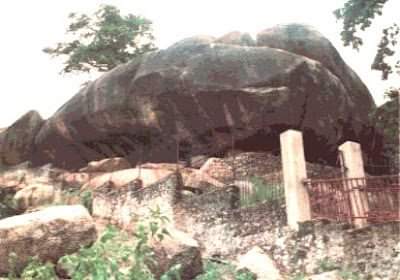
A view of Olumo Rock

Olumo Rock is a natural wonder that has become one of the most popular tourist destinations in Nigeria.  This massive rock formation located in Abeokuta(Egba Land) has been a symbol of pride for Nigeria’s southwestern region’s people for generations. The name Olumo in the Yoruba language means “God molded it.” Historical narratives have it that the rock served as a refuge for the Egbas during times of war.

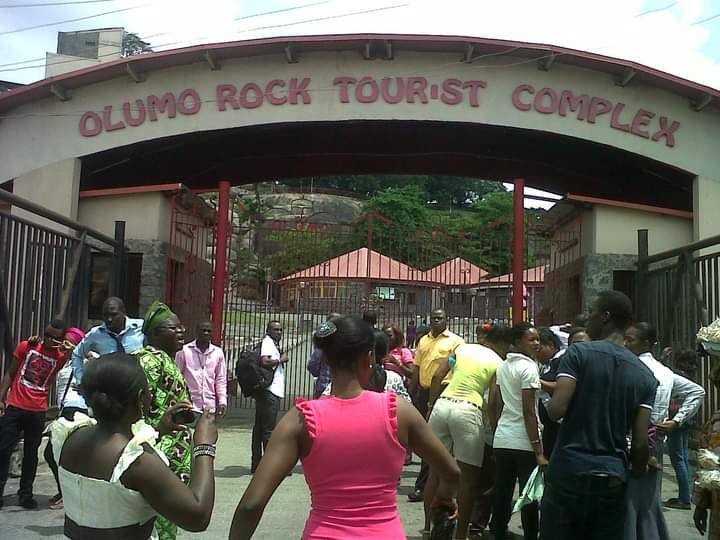
Tourists at the entrance of Olumo Rock Tourist Complex

Visitors who venture to Olumo Rock will be treated to stunning views from the top. Climbing to the summit is an adventure in itself, with winding staircases and narrow pathways carved into the rock face. Along the way, visitors can explore different levels that are home to shrines and historical monuments.

For those interested in learning more about Southwestern Nigerian history and culture, Olumo Rock offers a glimpse into life in pre-colonial times.

Eid Mubarak in Africa

Africa is a continent that holds religion in high esteem, and Islam is one of the most popular religions. Eid Mubarak is one of the religious festivals celebrated by African Muslims, just like other Muslims in other continents of the world.

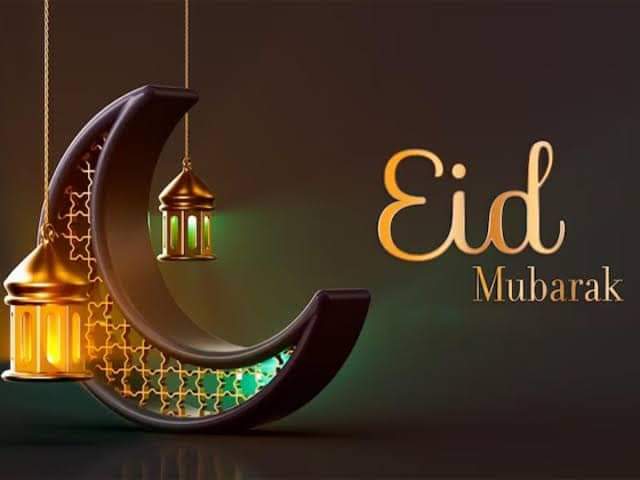
Eid Mubarak is a phrase of celebration and joy for millions of Muslims around the world. It marks the end of Ramadan, an Islamic holy month of fasting and prayer. Eid Mubarak is celebrated by Muslims as a way to thank Allah for the strength and courage given to them during Ramadan. This annual festival brings together families from around the globe to celebrate their shared faith and customs.

An Islamic symbol

During Eid Mubarak celebrations in Africa, families and friends gather to pray, feast, and exchange gifts as a symbol of love and unity. Special prayers are held at mosques across the continent, where people offer their thanks to Allah for his blessings. Children also play an important role in these celebrations; they receive new clothes and toys from their parents and sweets from relatives.

Happy Eid Mubarak to all Muslims!

By Sheriff Dada

Igue Festival of Benin Kingdom

By Sheriff Dada

The Benin Kingdom is a pre-colonial African state that has been in existence for centuries. Located in Edo State, Nigeria, it is a kingdom steeped in history and culture. The Benin people are known for their vibrant art and handicrafts, which have been passed down through generations. The Benin Kingdom has played an important role throughout the development of Nigeria, and its citizens have contributed to the nation’s growth.

Igue Festival can be likened to the Christians’ Christmas and the Muslims’ Salah celebrations. Igue Festival is a celebrated cultural event in the Benin Kingdom. The festival commemorates the end of the year and the beginning of a new year and usually takes place toward the end of the year (December and January. It can be said to be the most significant festival among the Edo people and attracts tourists from all spheres of the world.

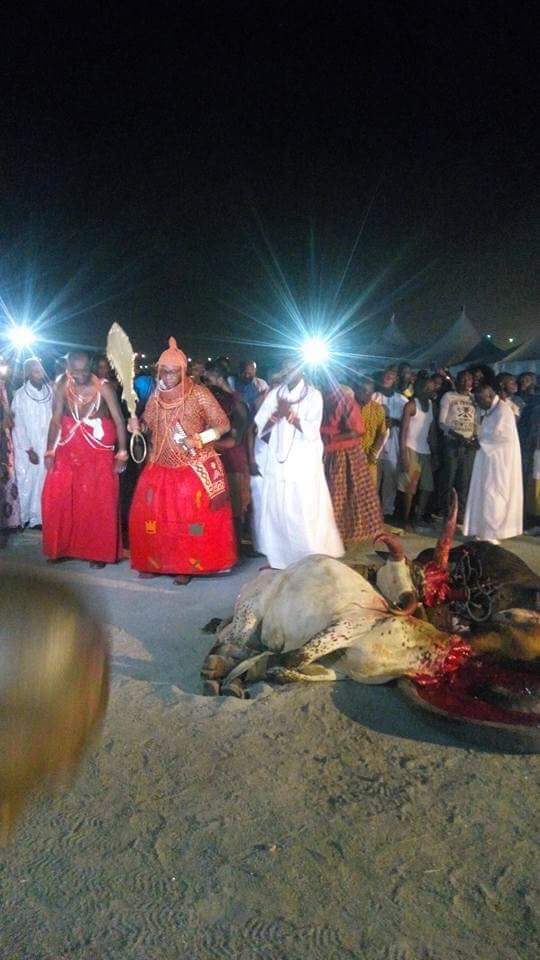
Oba of Benin and Chiefs in a procession during the Igue Festival

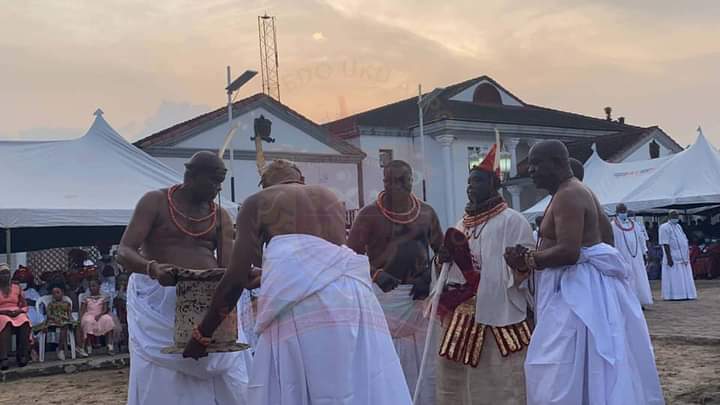
The Igue Festival is known for its colorful display of traditional music, dance performances, and other cultural activities that showcase the rich heritage of the Benin Kingdom. During this period, there are various ceremonies held at different locations within Benin City to mark specific stages of the festival. These include offerings to ancestors, prayers for prosperity and good health, and homage paid to various deities worshiped by different communities in Edo State.

Benin Chiefs displaying traditional dance steps during the Igue celebration

The Igue Festival has been celebrated by successive generations since its inception several centuries ago.

Easter Celebration in Africa

By Sheriff Dada

Christianity is no doubt the most popular religion in Africa today. Research has shown that in Africa (especially West Africa), 98% of homes have a Christian member, even in the homes of the major rival religion, Islam.

Easter, like Christmas, is a significant Christian celebration in Africa, as it commemorates the resurrection of Jesus Christ. Christianity has been present on the African continent for centuries, and Easter serves as a time for reflection and renewal for many Africans who practice this faith. The celebration of Easter in Africa is marked by various customs and traditions that reflect both local cultures and Christian beliefs.

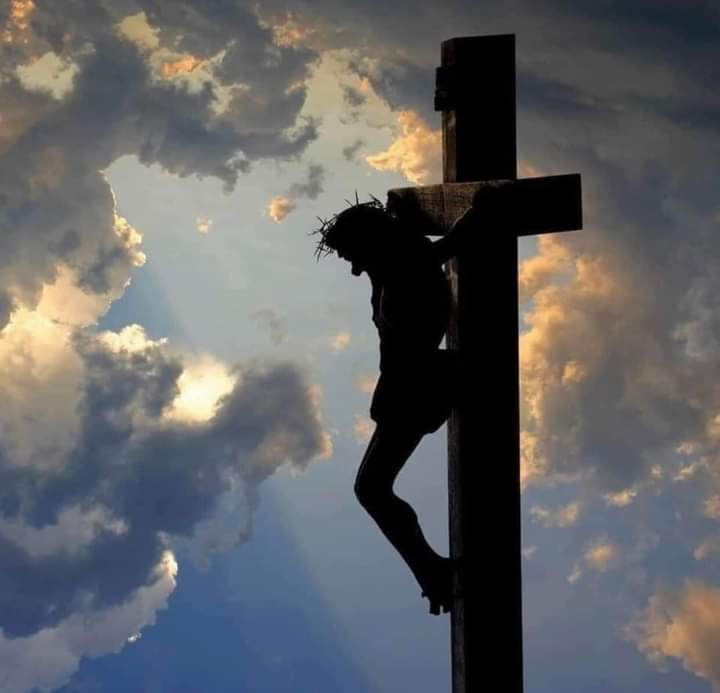
A photo depicting Jesus Christ’s Crucifixion

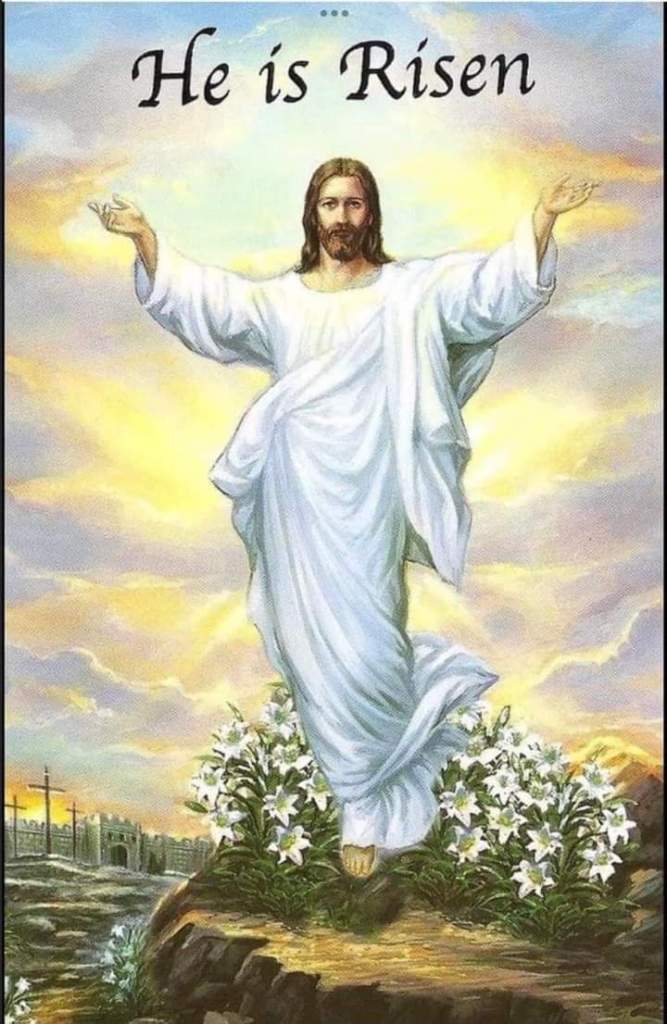
Like in other parts of the world, the common tradition during Easter in Africa is attending memorial church services on Good Friday and Easter Sunday. It is the gathering of Christians to remember the sacrifice Jesus made when he died on the cross for humanity to be reconciled to God. The memorial church services feature hymns, prayers, and sermons that inspire hope, faith, and unity among believers. The Friday service is in memory of Jesus’ crucifixion on the cross, while the Sunday service marks Jesus’ resurrection from death.

A picture depicting Jesus Christ’s Ascension to Heaven after His resurrection

During Easter celebrations, many African families also use this time to visit their loved ones or invite guests over for meals.

Another important aspect of Easter celebrations in Africa is giving back to others through charity work.

Happy Easter Sunday to all Christians!

Ekuechi Festival of Ebira People

By Sheriff Dada

Ebira people inhabit the central region of Kogi State, North Central Nigeria. They majorly occupy three local government areas of Kogi State, namely Adavi, Ajaokuta, Okehi, and Okene. Ebira people also have major settlements in other states like Nasarawa, Taraba, Benue, Edo, and Ondo States. The Ebiras are hardworking people whose traditional occupations are fabric making, farming, and hunting.

An enthusiastic Ebira man capturing a scene of Ekuechi Festival

The Ekuechi Festival of the Ebira people of Kogi State, Nigeria, is an annual celebration that attracts visitors from far and wide. It is a colorful event that showcases the rich cultural heritage of the Ebira people and provides a platform for tourism in the region. The festival, which marks the end and the beginning of a new calendar year for the people, usually takes place in November and December and lasts several days.

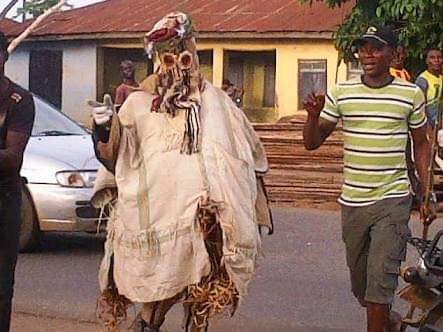
An Ekuechi masquerade

During the Ekuechi Festival, traditional dances are performed by men, women, and children dressed in elaborate costumes made from colorful fabrics. There are also music performances, storytelling sessions, and various competitions such as wrestling matches and beauty contests.

Masquerades in ferocious displays are the major hallmark of the festival.

Visitors can sample local delicacies such as pounded yam with egusi soup or roasted plantains with spicy sauce while enjoying the festivities.

The Ekuechi Festival is an opportunity for tourists to connect with the history and traditions of the Ebira people

Create your own website, free on WordPress.com.Create your own website.
Start free